Health and Safety Policy for Man With Van Finchley
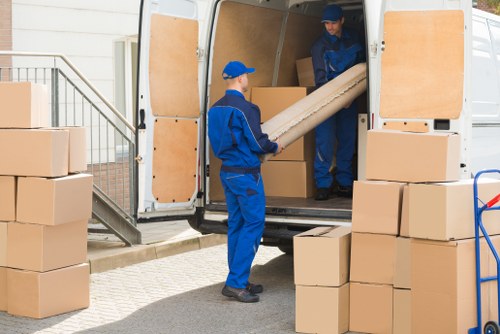 Man With Van Finchley is committed to maintaining a safe, responsible, and well-managed working environment for every move we carry out. This Health and Safety Policy sets out the standards we follow to protect our team, customers, property, and the public during loading, transport, and delivery activities. Our approach is based on prevention, awareness, and consistent safe working practices, ensuring that each assignment is completed with care.
We recognise that van-based removals can involve manual handling, traffic exposure, lifting risks, and property damage hazards. For that reason, our policy applies to all stages of service delivery, from planning and packing support through to unloading and positioning items indoors. Safety is treated as part of quality service, not as an optional extra.
All personnel involved in man and van services in Finchley are expected to act responsibly, follow risk controls, and report concerns promptly. Whether the task involves a single item, student move, office relocation, or household transport, the same standards apply. By keeping procedures clear and practical, we reduce avoidable incidents and support a reliable service culture.
Our Commitment to Safe Operations
 We aim to provide a safe service by identifying risks before work begins and taking reasonable steps to control them. This includes checking access routes, assessing item weight and shape, planning lifting methods, and ensuring that vehicles are suitable for the load. Our team is encouraged to remain alert to changing conditions such as wet surfaces, narrow stairways, parking restrictions, and poor lighting.
We also maintain a strong focus on vehicle safety. All vans are expected to be kept clean, roadworthy, and correctly loaded, with weight distributed to support stable travel. A Finchley man with a van job should never be rushed in a way that increases risk. Time management is important, but it must never override safe practice.
As part of our wider man with van Finchley safety standards, we seek to prevent damage by using appropriate protective materials, securing furniture and boxes, and separating fragile goods from heavy items. Equipment is used only when it is fit for purpose and handled in line with training and common sense.
Roles, Responsibilities, and Safe Behaviour
Every worker has a personal responsibility to work safely, avoid unsafe shortcuts, and cooperate with any safety instruction given. Team members must wear suitable clothing and footwear, use correct lifting techniques, and request assistance for awkward or bulky items. Clear communication is essential during every move, especially when carrying items through shared spaces or enclosed areas.
 Managers and supervisors are responsible for making sure operations are properly planned and that staff are briefed on the risks relevant to each job. If a load appears unsafe, access is restricted, or conditions are unsuitable, the move may be paused until the issue is resolved. Safe decision-making always takes priority over speed.
Customers also play an important role in supporting a safe process. They should provide accurate information about items, access conditions, and any special handling needs. This helps the man and van Finchley team prepare effectively and avoid unnecessary strain or damage. Cooperation from everyone involved contributes to a smoother and safer outcome.
Manual Handling and Loading Standards
Manual handling is one of the main risks in removal work, so we apply careful controls to reduce injury. Items are assessed before lifting, and where possible, heavy or awkward objects are moved by two people. We avoid twisting, overreaching, and carrying loads that are too large to manage safely. If needed, items are broken down into smaller parts before movement begins.
Loading must be arranged so that heavier objects sit lower and more secure items are placed to prevent shifting during transit. Fragile goods are cushioned and protected from pressure.  Before the vehicle departs, the load is checked to confirm it is stable and that doors, straps, and coverings are secure. These steps help protect both the cargo and everyone on the road.
When navigating stairs, doorways, or tight corridors, staff take extra care to protect themselves and the property. Walls, floors, and corners are handled carefully to reduce scuffs and impact. The aim of our man and van services Finchley policy is not only to avoid injury, but also to deliver a respectful and damage-conscious service.
Incident Reporting and Emergency Response
If an accident, near miss, or unsafe condition occurs, it must be reported as soon as possible so that action can be taken. This includes slips, strains, vehicle issues, property damage, and any situation that could have caused harm. Prompt reporting allows us to review what happened and improve our controls for future work.
In an emergency, our team will act calmly, protect people first, and follow the most appropriate response for the situation. This may include stopping work, moving people away from danger, seeking medical help, or contacting the relevant emergency services.  All staff are expected to remain alert and cooperate fully until the situation is under control.
We review incidents to identify patterns and strengthen our procedures. This helps maintain a practical man with van Finchley safety system that is responsive, current, and suited to day-to-day operations. Continuous improvement is central to how we protect people and maintain dependable service standards.
Policy Review and Ongoing Improvement
This policy is reviewed regularly to keep it relevant to the way we operate and to reflect changes in work practices, equipment, or legal expectations. We update our methods when necessary so that safety remains integrated into every stage of service delivery. Our aim is to ensure that each move is carried out with professionalism, care, and consistent attention to detail.
Man With Van Finchley expects all workers to follow this policy and contribute to a safe working environment. By combining proper planning, responsible behaviour, and clear communication, we aim to reduce risk and support a dependable service that customers can trust. Safety, respect, and reliability remain at the centre of everything we do.